
If you own a lawn in North Texas and want it to stay thick, green, and resilient year after year, there’s one service that quietly does more heavy lifting than almost anything else: lawn aeration.
It’s not flashy. It doesn’t give you instant results. And because of that, it’s often misunderstood or skipped altogether.
But if your lawn struggles with summer stress, water runoff, thin areas, or just never seems to live up to its potential, chances are the issue isn’t what you’re putting on your lawn — it’s what’s happening under it.
The Real Challenge: North Texas Clay Soil
Across Plano, Richardson, Frisco, and McKinney, most lawns are built on heavy clay soil. Clay soil is made up of extremely small particles that naturally pack tightly together over time.
Add everyday factors like:
- Foot traffic
- Pets
- Lawn mowers and equipment
- Seasonal drying and re-wetting
…and that soil slowly becomes compacted. When soil compacts, it becomes harder for your lawn to absorb the three things grass needs to survive: water, oxygen, and fertilizer.
This is why homeowners can do “everything right” — watering, fertilizing, treating weeds — and still feel like their lawn never quite gets there.
What Lawn Aeration Actually Does (In Plain English)
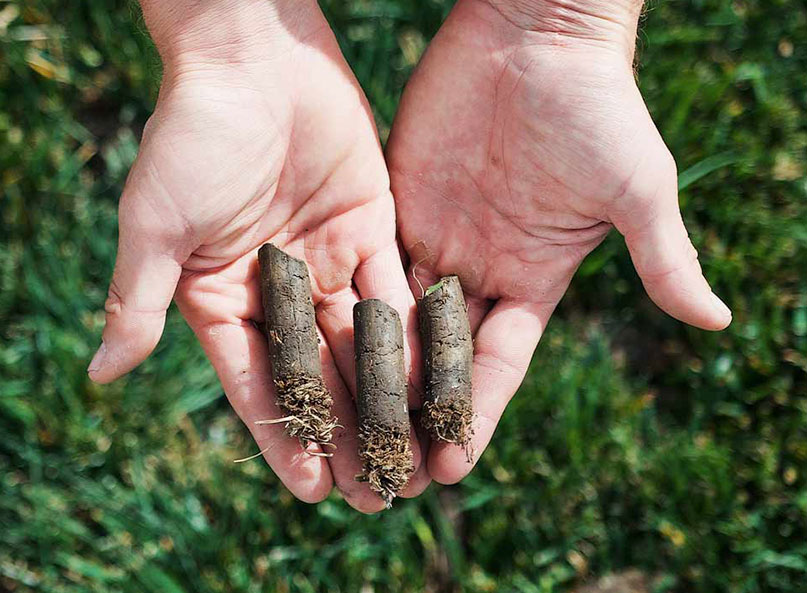
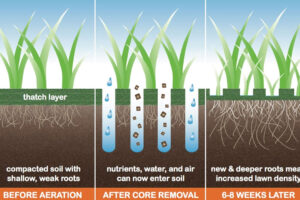
Lawn aeration is the process of removing small plugs of soil from your lawn, creating openings that allow air, water, and nutrients to move down into the root zone where they’re actually needed.
Core aeration (the most effective type) helps relieve compaction in North Texas clay soil. Those small holes can:
- Relieve pressure in compacted soil
- Improve water absorption (less runoff, more soak-in)
- Help fertilizer reach the roots instead of sitting on the surface
- Encourage deeper, stronger root systems
- Reduce thatch buildup over time
Think of aeration as opening the door so everything else you do for your lawn can work the way it’s supposed to.
Why Aeration Is So Important for Warm-Season Lawns
Most lawns in our service area are warm-season grasses like Bermuda and Zoysia. These grasses grow best once temperatures warm up, which makes late winter through early spring a great time to aerate.
Aerating before spring growth:
- Prepares the soil to receive nutrients
- Helps roots grow deeper early in the season
- Improves your lawn’s ability to handle summer heat and drought
- Maximizes the effectiveness of your lawn health program
Waiting too late can reduce the overall benefit, especially once heat stress starts setting in.
Do You Really Need to Aerate Every Year?
For most North Texas lawns, yes — annual aeration is a smart investment.
You’re more likely to benefit from yearly aeration if:
- Water runs off your lawn instead of soaking in
- Your lawn sees regular foot or pet traffic
- Summer stress shows up quickly
- Your lawn never seems to “respond” to fertilizer the way you expect
Golf courses aerate multiple times per year to keep turf healthy. Homeowners don’t need that level of intensity, but once-a-year aeration goes a long way toward keeping lawns healthy and resilient.
DIY Aeration vs. Hiring a Professional
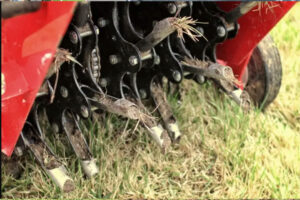
Aeration sounds simple — punch holes in the lawn — but doing it correctly requires commercial-grade equipment, proper timing and soil moisture, and experience working around sprinkler systems and irrigation lines.
Many homeowners decide professional aeration is worth it to ensure full coverage, avoid damage, and get consistent results.
The Big Picture: Why Aeration Matters Long-Term
Lawn aeration isn’t about instant gratification. It’s about building a lawn that uses water more efficiently, responds better to fertilizer, stays thicker and healthier under stress, and holds up better during North Texas summers.
If you want your lawn care investment to pay off year after year, aeration is the foundation. If you have questions about whether aeration makes sense for your lawn, Village Green is always happy to help.