If you live in Plano, Richardson, McKinney, or Frisco, chances are you’ve asked one of these questions recently:
- “Why is my grass disappearing?”
- “Is this fungus?”
- “Why do weeds keep coming back?”
We hear these every day during lawn evaluations across North Texas. And while the symptoms vary, the root problems are surprisingly consistent.
Below are the three most common lawn issues we see during on-site evaluations, ranked by how often they actually drive the call — and the real solutions that solve them.
This isn’t theory. It’s based on thousands of conversations with homeowners dealing with real lawns in real North Texas conditions.
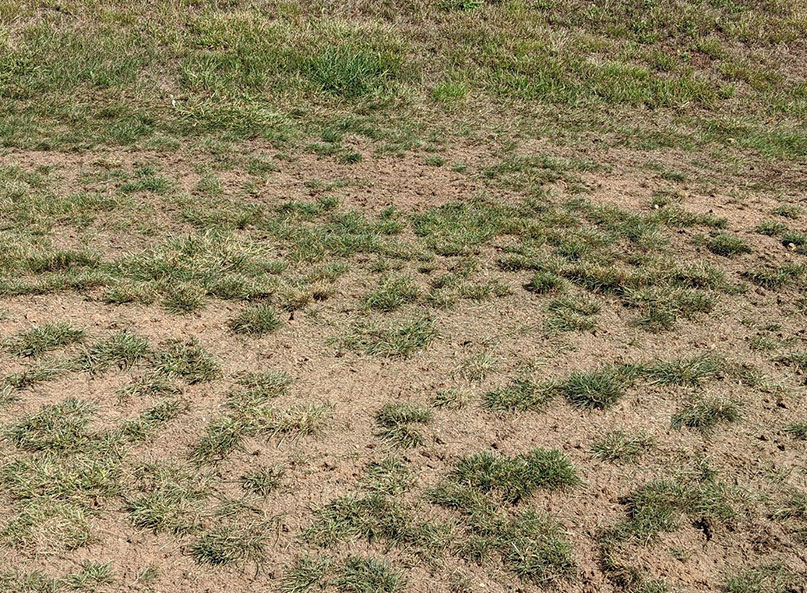
Problem #1: Thinning, Declining, or “Dying” Grass
How homeowners describe it
- “The grass is disappearing”
- “It used to be thick”
- “Bare spots keep spreading”
- “It never recovered from last summer”
This is by far the most common reason people call us.
What’s really happening
In most cases, the grass isn’t “dying” from one event. It’s slowly declining due to:
- Inconsistent or insufficient irrigation
- Shade exceeding what the grass type can tolerate
- Summer stress that never fully recovered
- Slow-recovery turf (especially stressed St. Augustine or Zoysia)
Weeds, disease, and sod questions often show up because the turf is already weak — not because they caused the problem.
The real solution – Fix irrigation first — or acknowledge it’s missing
Before changing products, programs, or grass types, we focus on:
- Coverage and uniformity (not just run time)
- Seasonal scheduling instead of “set it and forget it”
- Cycle-and-soak to prevent runoff
- Calling out hand-watering when it isn’t enough
If irrigation can’t be corrected, we’re honest about expectations. No program can outperform inconsistent water.

Problem #2: Suspected Disease (Fungus, Brown Patch, “Something Spreading”)
How homeowners describe it
- “I think it’s fungus”
- “Circular patches”
- “It’s spreading fast”
This is the second most common trigger for an evaluation — and the most misunderstood.
What’s really happening
True active disease does exist in North Texas. But far less often than people think.
What we usually see instead:
- Old damage finally becoming visible
- Turf responding to stress, not infection
- Seasonal color lag
- Moisture + shade stress zones
Grass doesn’t heal on our schedule. Damage from weeks ago often shows up now, which makes it feel like something new is happening.
The real solution – Slow down before escalating
Our approach usually includes:
- Verifying whether disease is actually active
- Explaining timing and turf biology
- Avoiding unnecessary fungicide applications
- Monitoring recovery instead of reacting emotionally
In many cases, waiting is the most professional decision — even when it feels uncomfortable.
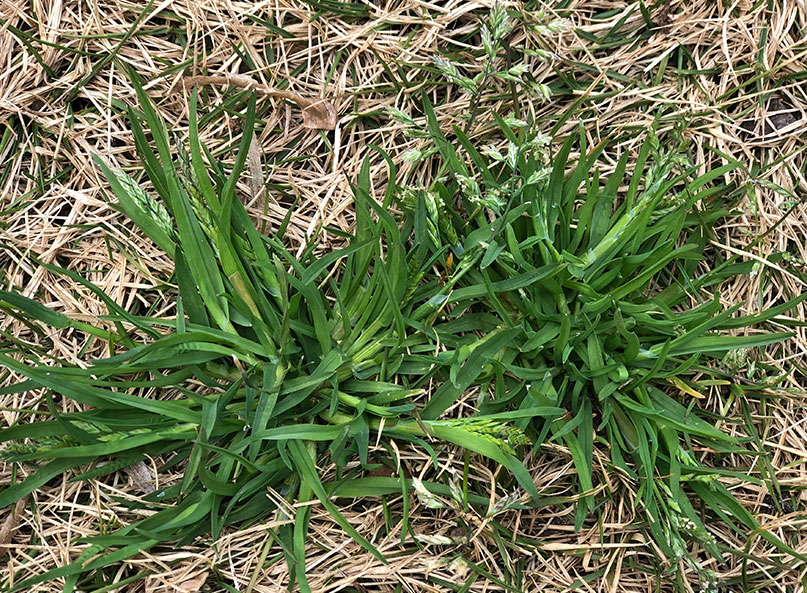
Problem #3: Weed Problems (Nutsedge, Poa Annua, Dallas Grass)
How homeowners describe it
- “The weeds are taking over”
- “This program isn’t working”
- “This weed keeps coming back”
Weeds are rarely the primary problem — but they’re highly visible, so they get the blame.
What’s really happening
Most weed issues stem from:
- Thin turf creating opportunity
- Seasonal biology (cool-season vs warm-season weeds)
- Weeds with no selective control option
- Misunderstood retreatment expectations
Weeds don’t beat healthy grass. They exploit weak grass.
The real solution –Strengthen the turf first
That means:
- Improving density and recovery
- Explaining which weeds can’t be selectively removed
- Setting expectations around timing and repeat pressure
- Treating weeds as a symptom, not the disease
The Pattern We See Every Day – What people think they need
- Stronger products
- More treatments
- What they actually need
- Better water
- More patience
- More honest expectations
That’s why our approach is education-first, not sales-first. We’re not here to escalate costs — we’re here to help you make the right decision for your lawn.