
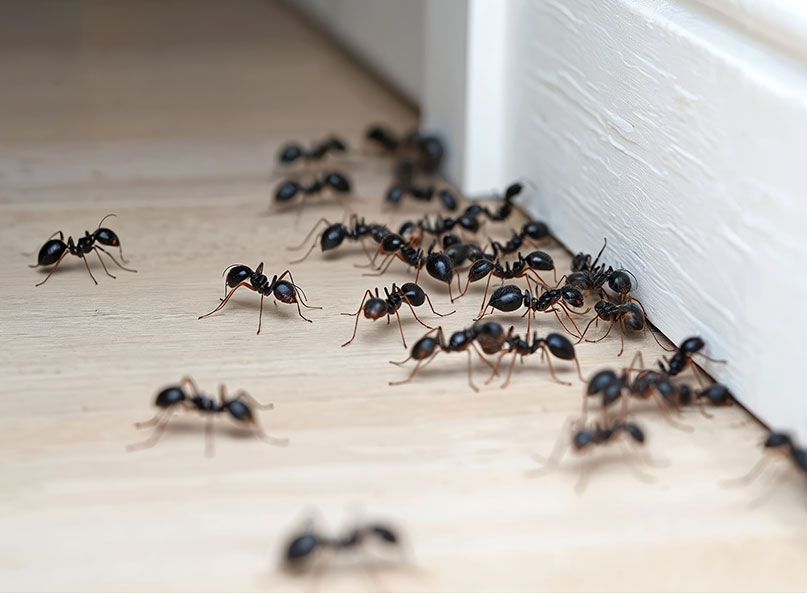
If ants are suddenly showing up in your kitchen, bathroom, garage, or along baseboards, you’re not imagining it — and you’re not alone.
Early spring is when ant colonies across North Texas become highly active. As soil temperatures rise, colonies wake up and begin expanding fast. The ants you see inside are usually just foragers sent out to find food and water.
The larger problem is almost always outside.
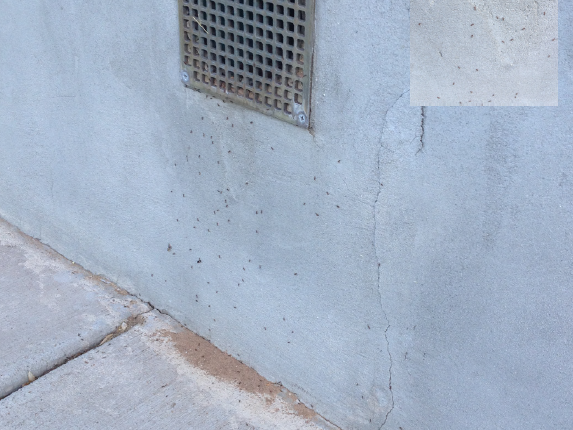
Around homes in Plano, Richardson, and nearby communities, colonies commonly nest:
- Along foundations
- Under patios and driveways
- In landscaping beds
- Beneath lawns and tree roots
Killing visible ants rarely solves the colony problem — which is why infestations often keep coming back.
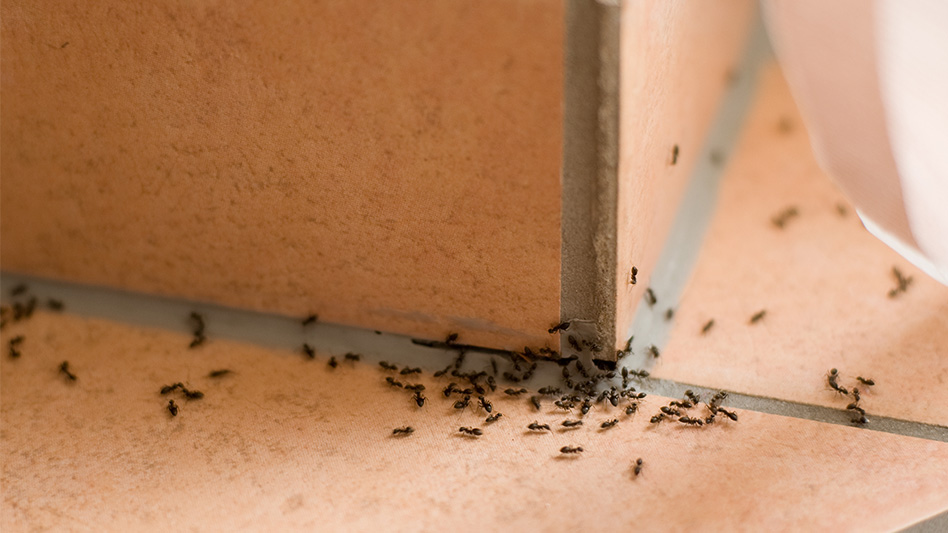
Common Ants We See in North Texas Homes
Spring ant pressure in this area typically includes:
Odorous House Ants
Small, dark ants that invade kitchens and pantries. When crushed, they give off a distinct odor. Colonies can split and relocate quickly, making them hard to control without targeted treatment.
Argentine Ants
Aggressive colony builders that form massive “super colonies.” Often trail along foundations and enter through small exterior gaps.
Rover Ants
Tiny ants that thrive in moisture. Frequently found near sinks, bathrooms, and exterior walls.
Ghost Ants
Very small ants with pale, almost translucent bodies. Common indoors and difficult to eliminate with DIY sprays.
Pharaoh Ants
Persistent indoor nesters that spread easily if improperly treated.
Acrobat Ants
Named for their raised abdomen posture. Often nest in damp or decaying wood.
Fire Ants
Most visible outdoors. Build soil mounds in lawns and deliver painful stings. Disturbing a mound can trigger aggressive swarming.
Why Ant Activity Spikes in March and April
Several local conditions drive spring infestations:
Warmer soil
Ant metabolism and movement increase rapidly as temperatures rise.
Spring rain
Moisture pushes colonies upward and closer to structures.
Food availability
Indoor crumbs, pet food, and moisture sources attract scouts.
Colony expansion
Spring is growth season — more workers, more foraging.
Why DIY Treatments Often Fail
Most store-bought sprays:
- Kill only visible ants
- Don’t eliminate the queen
- Don’t reach hidden nests
- Can cause colonies to split and spread
That’s why ants disappear briefly — then return.
Effective control requires colony-level treatment and a protective exterior barrier.
A Smarter Way to Stop Ants at the Source
Professional pest control focuses on:
- Locating nesting zones around the home
- Targeted exterior treatments
- Entry-point management
- Ongoing seasonal protection
This approach reduces current activity and helps prevent repeat infestations as temperatures continue to rise.
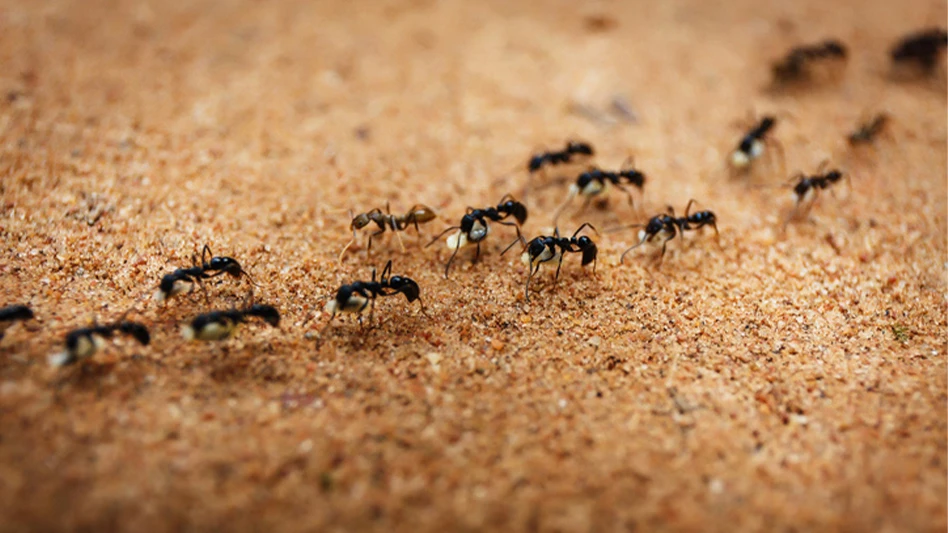
When to Act
If you’re seeing ants now, activity will likely increase as spring progresses.
Early treatment:
- Stops colony growth sooner
- Reduces indoor invasion
- Prevents larger infestations heading into summer
Waiting usually means more visible activity and harder control.
Local Pest Control Built for North Texas Homes
Village Green provides pest control designed specifically for North Texas seasonal pest pressure, including comprehensive ant treatment and perimeter protection.
- No contract
- Worry-free guarantee
- Reliable, scheduled service
- Trusted locally since 1980
Learn more about our pest control services:
https://villagegreen-inc.com/service/pest-control/