Winter weeds aren’t a spring surprise — they begin germinating beneath the surface in late fall and winter while your lawn is slowing down. By the time they’re obvious in March, they’ve had months to grab soil moisture, nutrients, and space. Preventing weeds before they emerge is always easier, healthier for your lawn, and far more cost-effective than trying to fix them later.
What Winter Weeds Are You Actually Seeing?
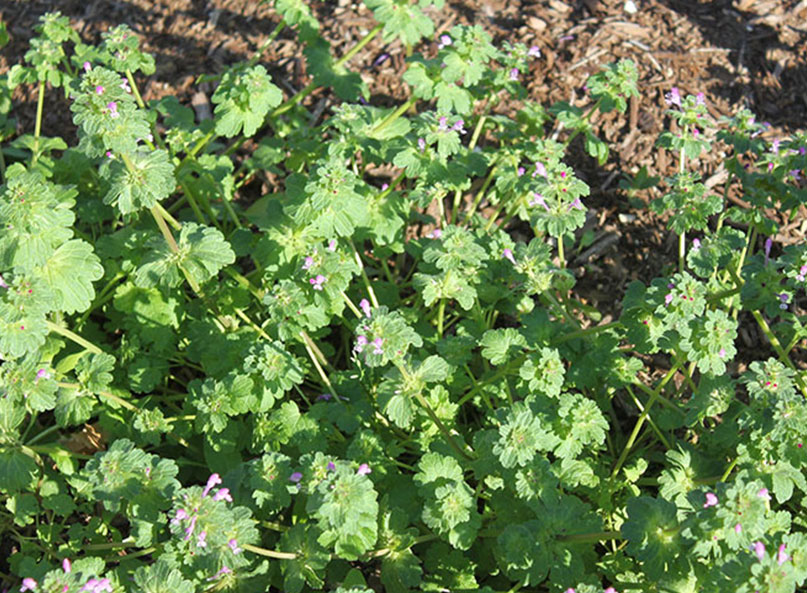
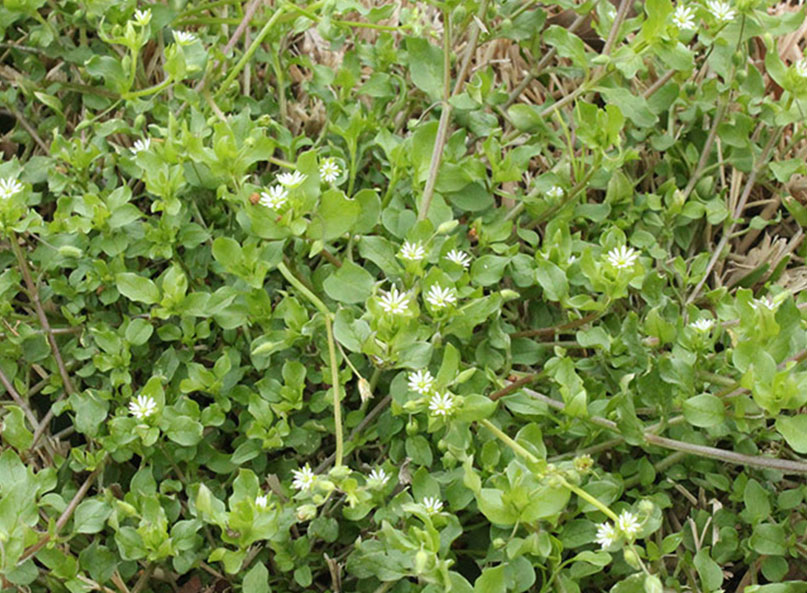
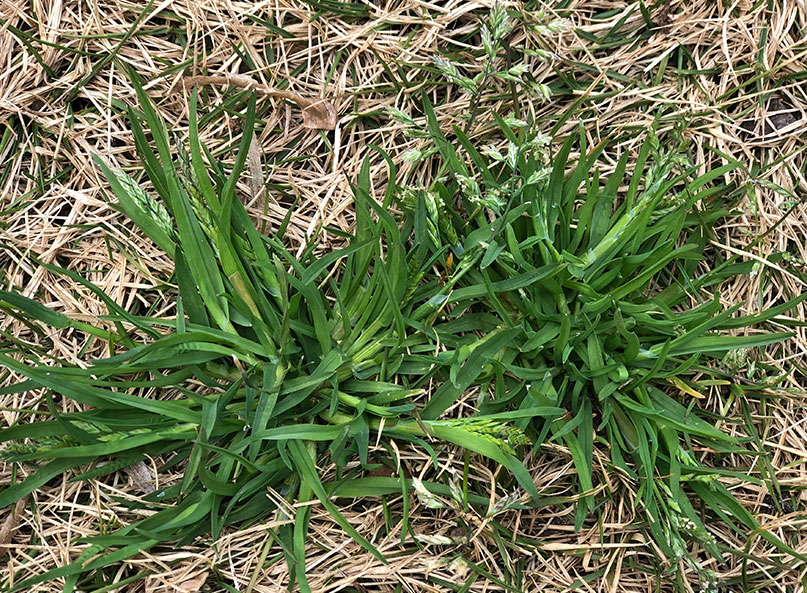
In North Texas, common winter annual weeds include:
- Henbit
- Chickweed
- Annual Bluegrass (Poa annua)
Unlike warm season grass, these weeds keep growing even when grass slows down. They sprout from seeds that were dormant and are now taking advantage of cooler soil conditions.
Pre-Emergent vs. Post-Emergent — What’s the Difference?
Pre-emergent herbicides create a barrier in the soil that stops weed seeds from sprouting. They prevent weeds — they don’t kill weeds already above ground.
Once weeds have emerged, post-emergent herbicides are needed to kill the visible plants. But think of post-emergent as cleanup: it’s reactive and only works while weeds are small and actively growing. Waiting until spring means more weed growth and more stress on your lawn.
When Should You Treat for Winter Weeds? Timing Matters
Many people assume “winter” means waiting — but in North Texas, timing is everything.
- Pre-emergent for winter weeds should go down before weed seeds germinate — ideally late summer to early fall. This means before soil temps fall and those weed seeds get active again.
- Spring pre-emergent (for summer weeds) is generally effective when soil temps hit ~55°F — usually late Feb to March in North Texas.
The key takeaway: If you wait until weeds are visible in spring, it’s too late for the best prevention window.
Why Starting Early Works
A strong, proactive plan provides:
- Fewer weeds competing with grass
- Better turf density overall
- Less aggressive use of post-emergent products
- Smoother lawn appearance from spring through summer
Our founder Ken emphasizes that prevention beats reaction every time. That’s why we focus on early control, not waiting until weeds are growing.
Village Green’s Local Edge
North Texas lawns have unique patterns: shifting winters, unpredictable freezes, and fast-germinating weed seeds. A one-size-fits-all, seasonal approach doesn’t work here. Our programs account for local soil conditions, weed cycles, and weather patterns to get treatments down before problems start.
Want Fewer Weeds This Spring? Here’s What to Do
- Consider a Lawn Health Plan that includes early weed prevention
- Apply pre-emergent herbicide BEFORE germination windows
- Combine with fertilization and lawn strengthening
- Spot-treat any early weeds with targeted post-emergent products
Start your plan now — your spring lawn will thank you.
Watch Ken’s full video on Winter Weeds below.