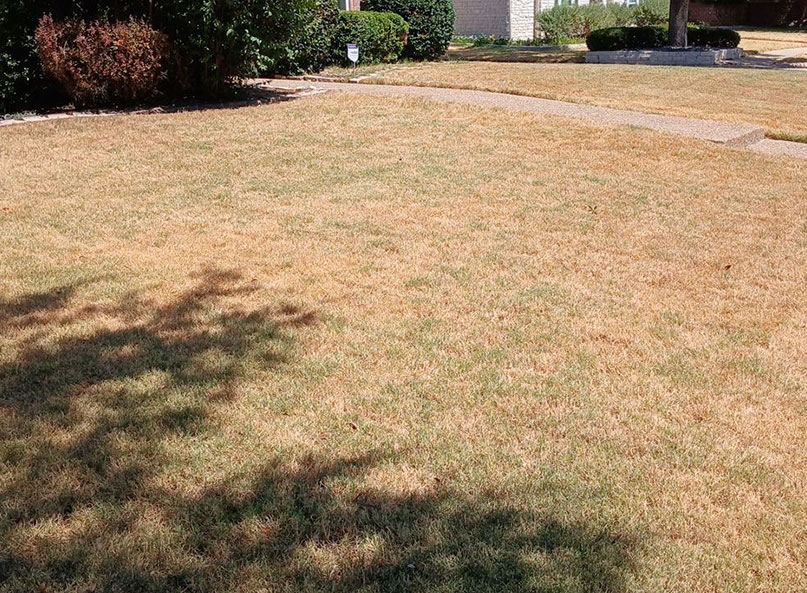
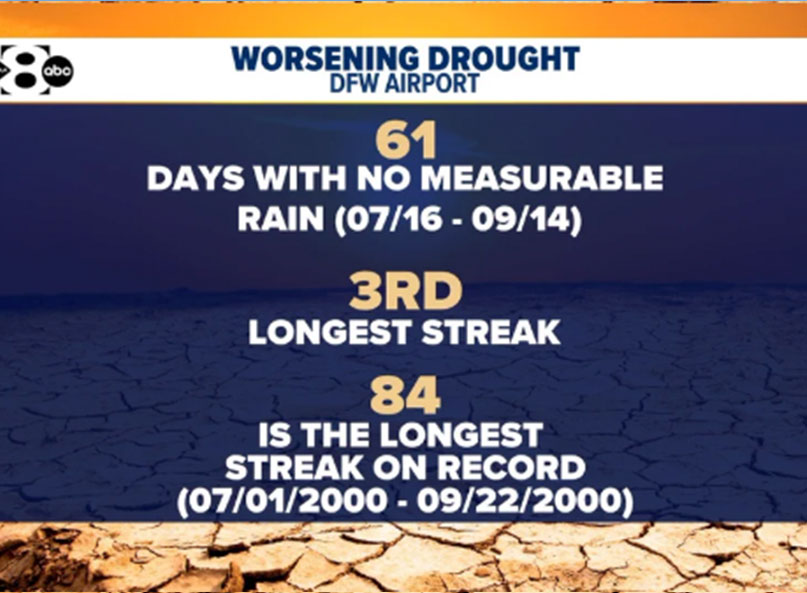
Over 60 days with no rain. More than 50 days above 100°F. If your North Texas lawn looks stressed, dried out, or patchy right now, you’re not imagining it—this summer has been brutal, and it ranks worse than 1980, the year Village Green started.
But here’s what matters: the heat isn’t your biggest threat. What comes next is.
Watch Ken Hyatt, Village Green’s owner and a 45-year veteran of North Texas lawn care, explain exactly what’s happening beneath your stressed turf—and why how you care for your lawn over the next few weeks will determine whether you’re dealing with a brown patch or actual dead zones come spring.
What Your Lawn Has Already Survived
If you’ve managed to keep your lawn watered consistently through this heat, you’re ahead of most people. Bermuda grass, in particular, is remarkably resilient. Even with minimal water during extreme drought, it typically bounces back once temperatures drop and rain returns.
St. Augustine is more temperamental. You may see brown patch—also called large patch—showing up already or appearing in the fall as temperatures cool. That’s usually just the lawn’s stress response to the shift from scorching heat to more moderate conditions. It looks alarming, but it’s often not permanent if the root system survived.
Zoysia, meanwhile, is tougher in the heat but slower to recover. If you have Zoysia and the turf dried out completely, expect it to be one of the last things to green up come spring.
The Real Risk: Winter Cold After Summer Drought
Here’s the part most homeowners and even some lawn companies miss.
The actual danger isn’t September. It’s January through March, when a cold snap hits after the lawn has spent months under drought stress. When roots are dry and weakened from heat, they can’t handle a hard freeze. That’s when you lose entire sections of St. Augustine and Zoysia. Not because of the cold alone—but because drought-stressed roots don’t have the reserves to survive it.
We’ve seen this pattern consistently over the past six years. A tough summer like 2026, followed by a winter cold snap, and come spring, homeowners discover dead patches where they thought the lawn was fine.
The worst part? You don’t know it’s happening until April or May when your neighbor’s lawn is greening up and yours isn’t.
How Village Green Catches Damage Before It Becomes Dead Patches
This is where monitoring actually matters.
On every fall and winter visit, our technicians aren’t just mowing or spraying. They’re flagging early warning signs of dormancy stress—places where recovery was too slow, turf that dried unevenly, sections that look like they won’t make it through a cold snap. We document these observations with per-visit photos, so you see exactly what we’re watching and why.
We track seasonal patterns specific to North Texas: the timing of dormancy, soil moisture, and the specific way drought affects different grass types in our clay-heavy DFW soils. A lawn company that only shows up in spring to repair damage misses all of this. A lawn company that checks every month catches it early.
That difference—between reactive repair and proactive monitoring—is the difference between a healthy spring lawn and spending thousands on renovation.

What You Can Do Right Now
The secret Ken mentions at the end of the video is simple but often overlooked: keep your watering right, even in the fall and winter.
Most people think lawn watering stops in fall. It doesn’t. Dormant turf still needs water—less than summer, but consistent. Irregular watering or letting the soil dry completely over the winter is exactly when cold damage accelerates.
Over the next couple of weeks, you should be able to transition to a fall watering schedule. If you’re doing this yourself, we’ve created free watering guides with the specific timing and amounts that work for North Texas turf:
Download: Fall Watering Schedule for North Texas — Exact timing for Bermuda, St. Augustine, and Zoysia through dormancy
Download: Summer Watering Guide — Reference if you’re prepping for next year’s heat
What Comes Next
Beautiful fall weather is coming. It always does. But between now and then, and all the way through March, what matters is attention to detail—knowing what’s happening in your soil and under that stressed turf, and catching problems before they become permanent damage.
If your lawn made it through this summer and you want to make sure it makes it through the winter, or if you’re frustrated with whoever you hired and want a second opinion, call or text us at 972-495-6990. Same-day response. No pressure. No contracts.
We’re here to watch your lawn’s back.
AUTHOR BIO:
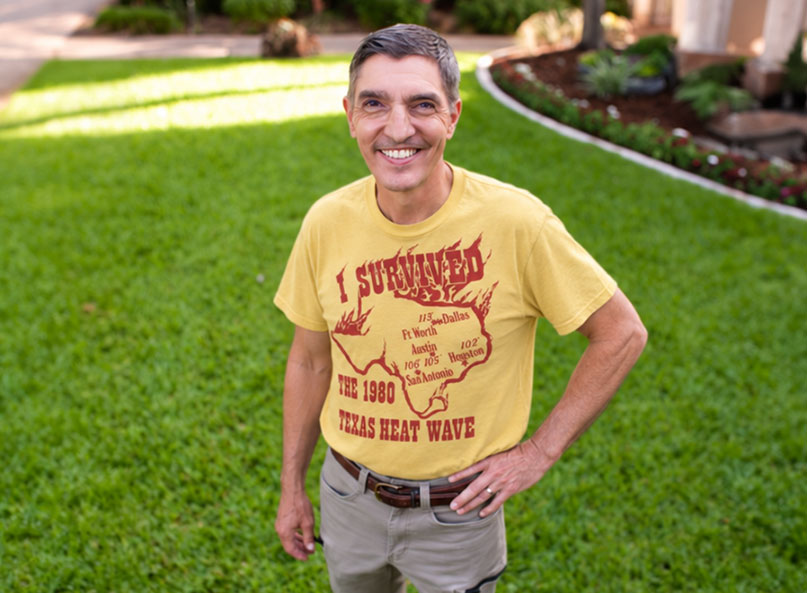
Ken Hyatt is the owner and founder of Village Green Lawn and Pest. With 45+ years of experience in North Texas lawn care, Ken has weathered every major drought, freeze, and pest season the region has thrown at the industry—including the brutal summer of 1980 that launched Village Green. He’s trained every technician on staff and personally oversees the monitoring and documentation practices that catch lawn problems early.
CLOSING CTA:
Questions about your specific lawn? Call or text 972-495-6990—Ken and the team respond the same day.
Village Green Lawn and Pest | Plano, Richardson, McKinney, Frisco, Garland, Sachse, Allen, North Dallas | villagegreen-inc.com