There’s a weed showing up in North Texas lawns right now that’s generating a lot of confusion — and some of that confusion is coming from the companies homeowners are hiring to deal with it.
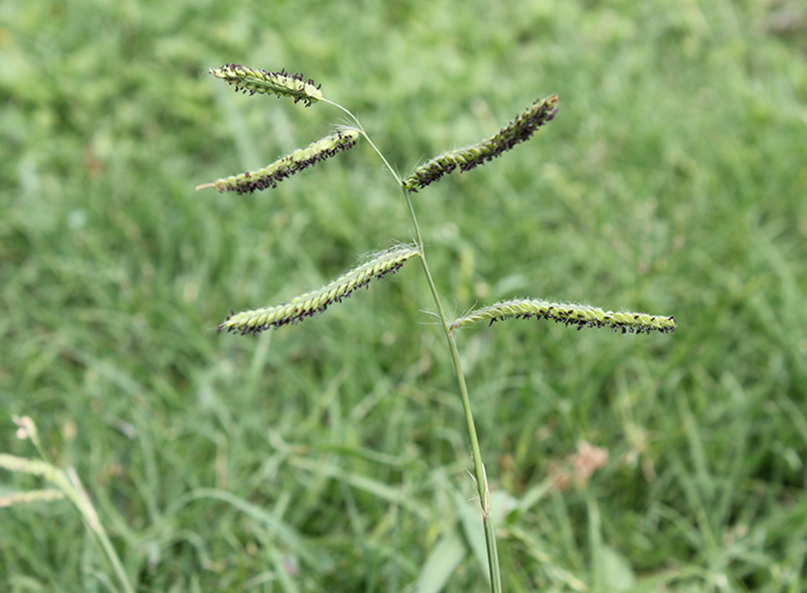
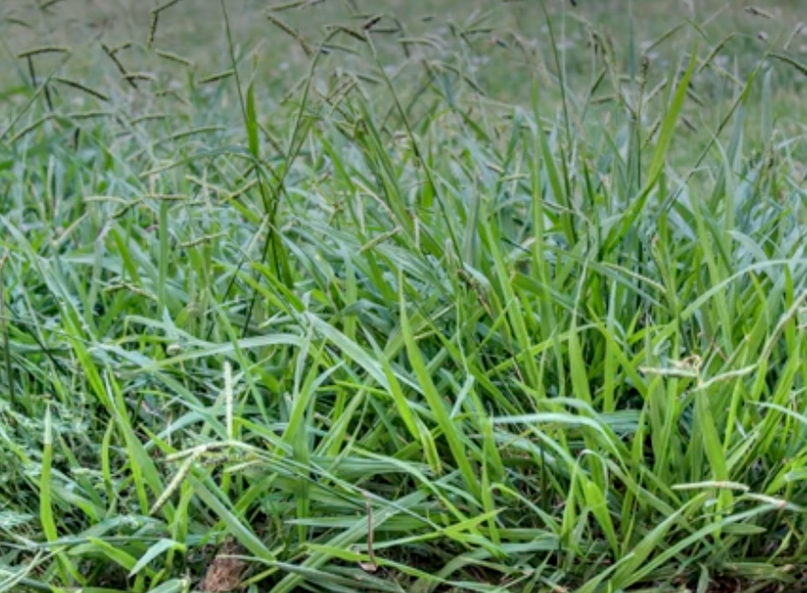
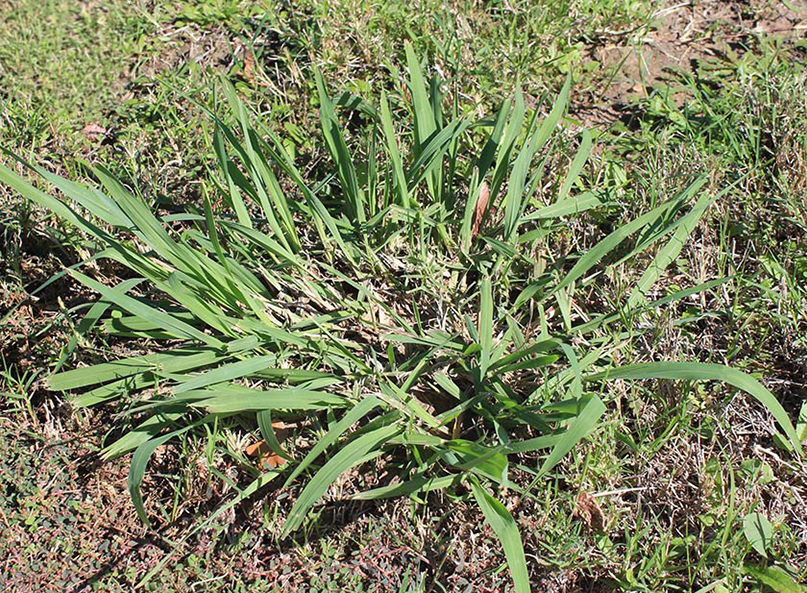
Dallisgrass. If you have a Bermuda lawn and you’ve spotted a coarse, clumping, rapidly spreading grass-like weed that looks completely out of place, there’s a good chance that’s what you’re looking at.
And if you’ve talked to more than one lawn company about it, you may have gotten very different answers about what can be done.
Here’s the truth.
What Is Dallisgrass?
Dallisgrass (Paspalum dilatatum) is a perennial warm-season grass weed that spreads aggressively through both seed and underground rhizomes. It thrives in the heat and clay soils of North Texas, which makes it a persistent problem in Plano, Richardson, McKinney, Frisco, Sachse, and the surrounding area.
It’s coarser and taller than Bermuda grass, grows in distinct clumps, and doesn’t blend in — which makes it an obvious eyesore in an otherwise maintained lawn. The deeper problem is that once it’s established, it’s genuinely difficult to remove without affecting the surrounding turf.
Why the Options Are So Limited Today
This is where the history matters.
For many years, a product called MSMA was the go-to solution for dallisgrass in Bermuda lawns. It controlled dallisgrass selectively — meaning it targeted the weed without killing the Bermuda around it. For professional lawn care companies, it was the preferred tool.
In 2009, the EPA restricted MSMA use on residential lawns and golf courses. It was no longer a legal option for controlling dallisgrass in the types of properties most homeowners have.
Shortly after that restriction took effect, Dr. McAfee — at the time the turf expert at Texas A&M — stated in a professional development class that dallisgrass had officially been reclassified as an uncontrollable weed. That’s not an opinion. That’s the current reality of what’s available to lawn care professionals working legally.
So What Can Be Done?
Today, there are two legal options for dealing with dallisgrass:
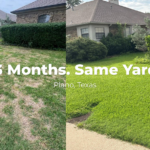
- Treat it with glyphosate (the active ingredient in RoundUp). This kills the dallisgrass — but it also kills the surrounding Bermuda grass. The affected area will need time to fill back in from the edges, or you can re-sod it to speed up the recovery.
- Dig it out by the roots. Done correctly, this removes the plant without damaging surrounding turf, and the Bermuda can fill in more quickly. It’s labor-intensive, and depending on how established the dallisgrass is, it may require multiple passes.
Neither of these is a great option. We know that. But they are the honest options.
What We Found When We Asked a Competitor
We’d been telling our customers the truth about dallisgrass for years. Then we started hearing from some of those same customers that another company — one of the large national providers — was telling them something different. That they could control it. That Village Green should have already handled it.
Understandably, customers were confused. So we did what any honest company would do: we called and asked.
The salesperson confirmed they could absolutely control dallisgrass. When we pressed further and asked what product they were using, the answer was glyphosate — generic RoundUp. With a required manager inspection before treatment and a customer waiver to authorize it.
In other words: the exact same treatment we offer. Framed very differently.
We’re not here to criticize other companies by name. But we do think homeowners deserve to know what’s actually happening when someone tells them a problem can be “controlled.” That word can mean a lot of things. A straight answer means a lot more.
What Village Green Does
When we identify dallisgrass in a customer’s lawn during a visit, we tell them what it is and what the options are — the same day, without waiting to be asked. That includes an honest explanation of what each option involves, what the recovery timeline looks like, and what we’d recommend based on the size and location of the infestation.
We don’t tell people what they want to hear. We tell them what’s true so they can make the decision that’s right for their lawn and their budget.
That’s what “local experience you can trust” actually means.
How to Remove Dallisgrass the Right Way
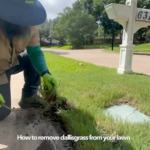
If you decide hand removal is the right option for your lawn, technique matters. Pull from the surface and it comes back. Cut it at the base and it comes back. You have to go deep enough to get the full root system out.
Orlando, Village Green’s Senior Technician and Field Operations Manager, demonstrates exactly how in this short field video — including the right tool, the correct depth, and what a complete removal actually looks like. Learn more.
If You Think You Have Dallisgrass
If you’re seeing coarse, clumping growth in your lawn that doesn’t respond to your regular lawn treatments, give us a call. We’ll take a look, tell you what we’re seeing, and walk through your options clearly — no pressure, no pitch.
Village Green Lawn and Pest | Plano, TX | 972-495-6990 | villagegreen-inc.com
Locally owned since 1980. No contracts. 90-Day Worry-Free Guarantee.