Fall is when a lot of North Texas homeowners finally get to the yard projects they put off all summer: new beds along the walk, sod for the bare strip by the driveway, wildflower seed for a spring patch. It’s also when lawn pre-emergent goes down. Those two things can work against each other if nobody connects them, whether you put down your own pre-emergent or pay a lawn service to do it.
What fall pre-emergent does for your lawn
Pre-emergent works in the soil to stop seeds from sprouting. In the fall, the target is winter weeds like henbit, chickweed, annual bluegrass and lawn burweed (the stickers you find barefoot in spring). Texas A&M AgriLife recommends fall pre-emergent for exactly these weeds.
When it’s done well, your grass comes out of dormancy in spring without fighting a winter’s worth of weeds. It greens up faster and you start the season ahead instead of behind.
The catch: it can’t tell weed seed from the seed you want
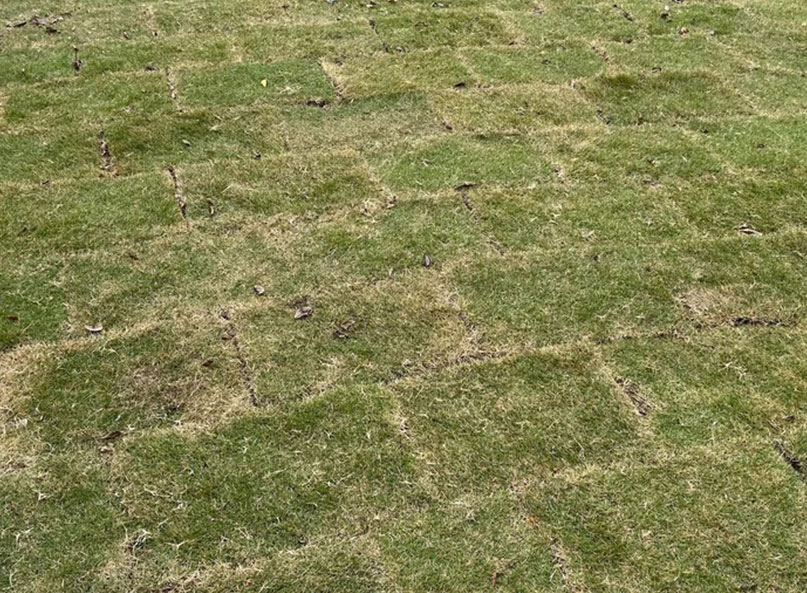
Pre-emergent doesn’t know which seeds you planted on purpose. The same treatment that stops henbit can stop grass seed and wildflower seed from coming up. It can also slow the roots of new sod while they’re trying to grab the soil. AgriLife’s own pre-emergent guide warns that these products can injure newly established or overseeded lawns.
This matters more in North Texas than people expect, because our planting season and our pre-emergent season overlap. AgriLife suggests sowing bluebonnets in North Texas from mid-September to mid-October. Fall is also a common time to lay sod and replant beds after a hard summer.
Why we ask before the fall visits
Before our seventh lawn visit this fall, we texted our customers to ask whether they had seeded, laid sod or planted new beds, or planned to. Each answer went into the account notes, so technicians knew which areas to skip before they arrived.
The same question comes up with new customers. Rebecca, who talks with most of them, spoke with a Plano homeowner this fall who’s doing exactly this kind of work. The summer heat had killed some of his native plants. Now he’s pulling grass out near his sidewalk to curve new beds toward the front door, and letting his neighbor’s bermuda creep into a bare strip.
His concern was fair: he didn’t want lawn treatments landing on plants he’d put in by hand. Rebecca’s answer was the same one we give every customer. Tell us where the new growth is going, and we’ll work around it.
Customers send us notes that are very specific, like “no pre-emergent around the tree on the right side.” We’re glad to get them. Specific is easier to follow.
How we handle new plantings and new sod
- We ask, and you can tell us anytime. Call or text and describe it the way you’d describe it to a neighbor: left side facing the house, the strip between the walk and the street.
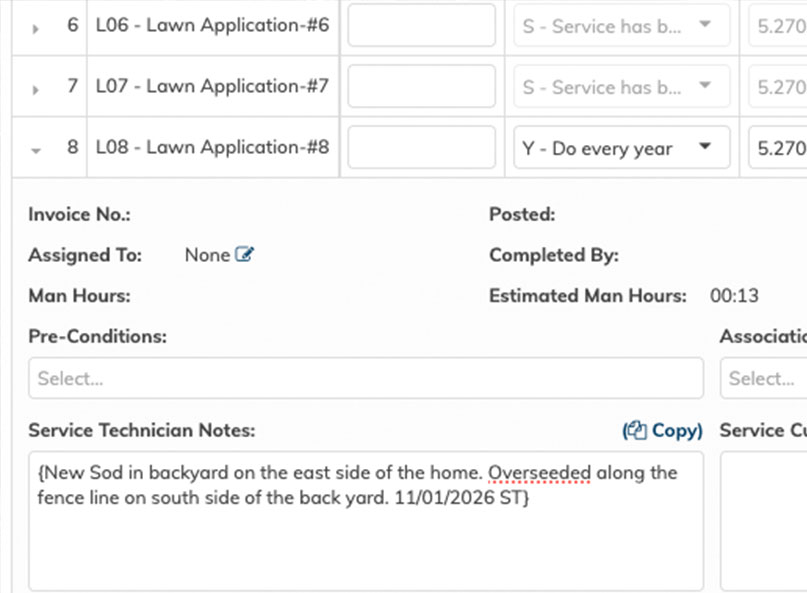
- We put it in your account notes. That way the technician sees it on every visit, not only the next one.
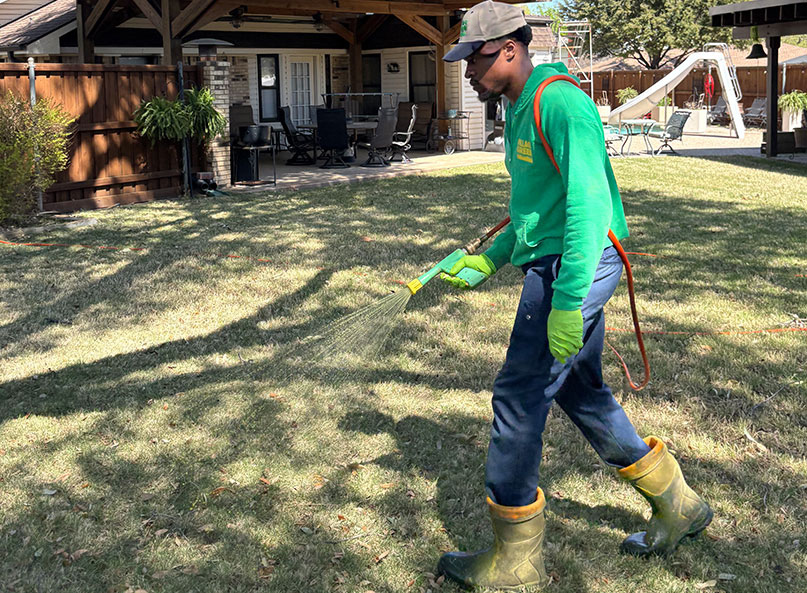
- The technician skips pre-emergent there. The rest of your lawn still gets its weed prevention.
- New sod or seed gets a gentle root-stimulating fertilizer instead. It helps the new area get established rather than held back.
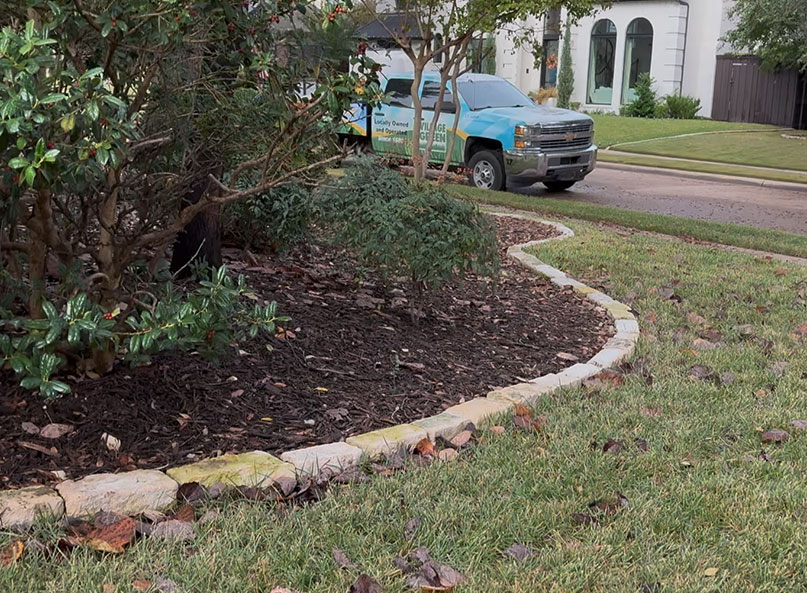
- Planted beds stay clear. Our technicians keep lawn treatments on the lawn and off the plants you’ve worked on.
How long to skip an area depends on the product and how quickly the new grass roots in. We’ll keep you posted on when it’s ready to go back on the regular schedule.
What to tell us before you plant
- Where: which side of the house, and a landmark or two
- What: seed, sod, wildflowers, new beds or a vegetable garden
- When: this fall, over the winter or in early spring
If you treat your own lawn or use another service
If you put down your own pre-emergent, check the label for how long to wait before seeding or sodding, and keep it off areas you’ve already planted. Labels differ, and some waiting periods run several months.
If another company treats your lawn, tell them where you’re planting before their next visit. Ask whether they’ll skip that area and what they’ll put on new sod or seed instead.
The payoff
Your lawn still gets winter weed prevention, and your new plantings get a fair start. Come spring, you can enjoy the beds and the grass instead of wondering why half of it didn’t come up.
Planning a project this fall or next spring? Call or text Village Green at 972-495-6990 and tell us what you’re planting and where. We’ll note it on your account so every visit works around it.
Author bio
Ken Hyatt is the Owner and Founder of Village Green Lawn and Pest, locally owned in Plano since 1980. He has worked in North Texas lawn care for more than 45 years and helps homeowners in Plano, Richardson, Allen, McKinney, Frisco, Garland, Sachse and North Dallas get healthier lawns with less guesswork.