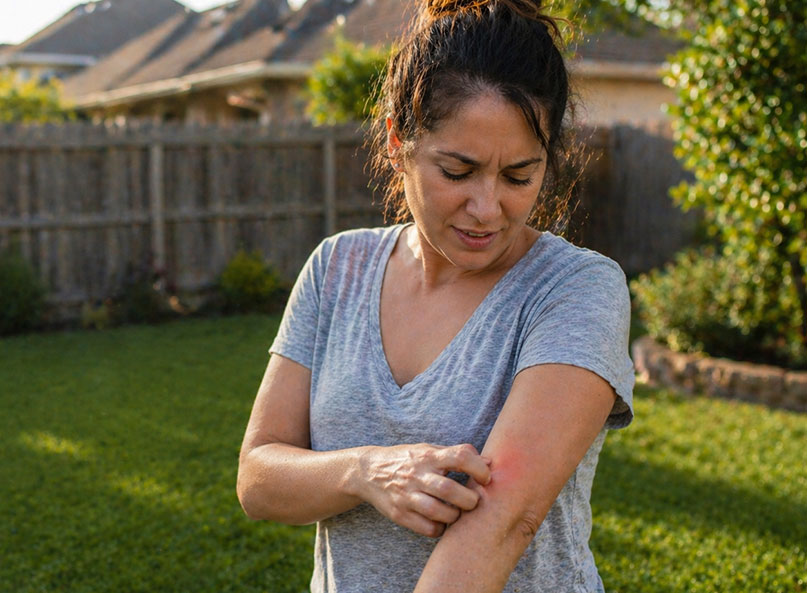
If you’ve been outside in the last few weeks, you may have already felt it — that first itch, that instinct to swat, that moment you cut your patio time short. Mosquito season in North Texas doesn’t announce itself. It just shows up.
Here’s what’s actually happening right now, why this region is one of the worst in the country for mosquito pressure, and what you can do about it before Memorial Day weekend.
North Texas is one of the most mosquito-active metros in the United States
This isn’t a scare tactic — it’s documented. DFW consistently ranks near the top of national mosquito activity lists. The combination of hot summers, high humidity from late spring through September, and the region’s clay-heavy soil that holds standing water after rain creates near-ideal conditions for mosquito breeding from May through October.
Mosquitoes become active when temperatures consistently stay above 50°F. In North Texas, that happens as early as March. By May, populations are building fast. By the time most homeowners notice the problem, it’s already established.
The spring conditions in 2026 are worth paying attention to
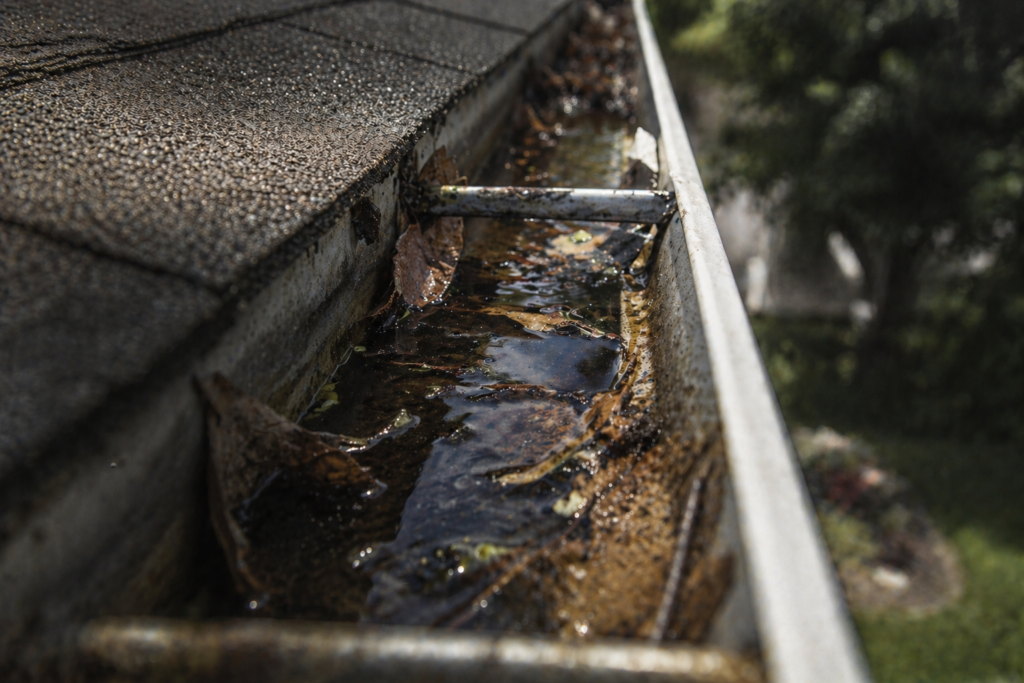
Recent rainfall and rising temperatures across the Plano, Richardson, McKinney, Frisco, Garland, and Sachse areas have created exactly the conditions mosquitoes need to multiply quickly. Standing water — even small amounts — becomes a breeding site within days. A pot saucer. A low spot in the lawn. A clogged gutter drain. The mosquitoes hatching right now are the population you’ll be fighting in June and July.
Both Dallas and Tarrant counties run active mosquito surveillance programs every year and have for decades — the DFW area has a long-documented history of mosquito-borne disease activity, including West Nile virus. The point isn’t to alarm anyone. It’s to be honest that mosquitoes in North Texas aren’t just an inconvenience. Managing populations early in the season is simply the smarter approach.
Two mosquito species you need to know about in our area
Culex mosquitoes — the night biters
The most common species in the DFW area. They bite primarily at dusk and through the night, and they breed in standing water. Peak activity runs June through September. Dallas and Tarrant counties monitor Culex populations throughout the season as part of their routine mosquito surveillance programs — it’s a well-established part of life in North Texas.
Asian Tiger Mosquito (Aedes albopictus)
This one surprises people. Unlike Culex, the Asian Tiger Mosquito bites during daylight hours — morning through late afternoon. It’s aggressive, it’s small, and it’s increasingly common in suburban DFW. If you’re getting bitten during the day on your patio or while working in the yard, this is likely the culprit.
Two species, two different active windows. Which means in North Texas, there’s essentially no safe time to be outside unprotected during mosquito season.

What you can do on your own — and where it falls short
There are steps every homeowner should take regardless of whether they hire a professional service:
- Walk your yard weekly and eliminate standing water — pot saucers, buckets, kids’ toys, bird baths, clogged gutters
- Refresh bird baths every 3–4 days — larvae hatch fast
- Keep grass trimmed — adult mosquitoes rest in dense vegetation during the heat of the day
- Use DEET-based repellent when spending time outside during peak hours
These steps reduce breeding pressure. They don’t eliminate it. Mosquitoes migrate from neighboring properties, breed in water sources you can’t see or easily reach, and repopulate faster than most homeowners expect. That’s why consistent, professional treatment makes a meaningful difference — not just one spray, but repeated applications throughout the season that keep populations suppressed before they build.
What professional mosquito control actually does
Village Green’s Signature Mosquito Control Plan runs 8 visits between March and October. Each visit includes fogging of mosquito-harboring vegetation, drainpipe flush treatment, and targeted water source applications. Our technicians are trained in vegetation mapping and breeding site identification — we’re treating the specific areas where mosquitoes live and breed on your property, not just spraying a perimeter.
We also offer an In2Care upgrade for properties with significant water features or heavy mosquito pressure. In2Care stations attract female mosquitoes, which then carry a biocide to other water sources on your property — killing larvae where they breed. The larvicide used is approved for human drinking water by the World Health Organization.
We don’t promise complete elimination. No honest company does. What we do promise is a significant, noticeable reduction in biting mosquito populations — enough to use your yard comfortably — backed by our Worry-Free Guarantee. And there’s no contract. You can stop at any time.

If Memorial Day is your goal, the window to act is now
A program that starts in May has had one or two visits by Memorial Day weekend. That’s enough to make a real difference for your cookout, your evening on the patio, your kids playing in the backyard. A program that starts in June is still catching up.
We serve homeowners across Plano, Richardson, McKinney, Frisco, Garland, Sachse, and surrounding North Texas communities. If you’re ready to stop giving your backyard to mosquitoes this summer, we can help.